
Graded cards have become a big part of the Pokemon hobby, and PSA is the best-known grading company in the world. If you are looking at PSA Pokemon cards Australia sellers offer, or thinking about grading your own pulls, it helps to understand how grading works, what it costs in time and money, and how to avoid common mistakes.
This guide explains PSA grading in plain English, shows how Australian collectors usually submit cards and shares nine tips to give your cards the best chance of a great grade.

What Is PSA?
PSA stands for Professional Sports Authenticator. It is a US-based company that has graded collectable cards since 1991. When you send a card to PSA, experts check that it is genuine, examine its condition and give it a grade from 1 to 10. The card is then sealed in a tamper-evident plastic case, often called a slab, with a label showing the card details, the grade and a unique certification number.
The PSA grading scale
- PSA 10 Gem Mint: a virtually perfect card
- PSA 9 Mint: an excellent card with one minor flaw
- PSA 8 Near Mint-Mint: a high-quality card with small imperfections
- PSA 7 and below: cards with more visible wear, such as whitening or scratches
Half grades exist for some lower grades. For most modern Pokemon cards, collectors focus on PSA 9 and PSA 10, because the price difference between those grades can be huge.
Why Collectors Buy PSA Pokemon Cards Australia Wide
Graded cards offer three big benefits:
- Authenticity. A PSA slab confirms the card is genuine, which reduces the risk of buying fakes.
- Condition. The grade tells you exactly how good the card is, so you do not have to judge it from photos.
- Protection. The slab protects the card from bends, dust and fingerprints.
Because PSA is recognised worldwide, PSA Pokemon cards Australia collectors own are easy to buy and sell, both locally and overseas.
How Australians Submit Cards to PSA
Most Australian collectors get cards graded through a submission service rather than posting cards straight to the United States.
Option 1: Use a local submission service
Many Australian collectors use local submission services. These businesses collect cards from customers, combine them into large bulk orders and send them to PSA. When the graded cards return, they post them back. This can save on international shipping and paperwork, especially for small submissions.
Check the current submission rules
PSA’s rules for customers outside the United States have changed over time, and reports suggest the US office no longer takes submissions from overseas customers directly. Always check the current options on PSA’s website before you send anything, and choose an established service with clear insurance and tracking.
Costs and turnaround times
PSA prices are set in US dollars and depend on the service level and the declared value of the card. Turnaround times vary with demand and can be long during busy periods. Always check the current prices and times on the official PSA website before you submit, and remember to add shipping, insurance and any submission service fees.
9 Best Tips for Great PSA Grades
- Sleeve cards straight from the pack. Most damage happens in the first few minutes after opening.
- Check centring. Compare the borders on each side. Cards that are clearly off-centre rarely get a 10.
- Inspect the corners. Look for whitening or soft corners under a bright light.
- Check the edges. Small chips or whitening on the back edges are common on modern cards.
- Examine the surface. Tilt the card under light to spot scratches, print lines and dents.
- Clean gently. A soft, lint-free microfibre cloth can remove fingerprints. Never use liquids.
- Use semi-rigid holders. Most submission services and PSA prefer card savers rather than hard toploaders.
- Only grade cards worth it. If grading costs more than the card’s likely graded value, keep it raw.
- Be realistic. Even cards that look perfect may come back as a 9. Grading always involves some risk.
Which Pokemon Cards Are Worth Grading?
Not every card should be graded. The best candidates are:
- Vintage holos and first edition cards in great condition
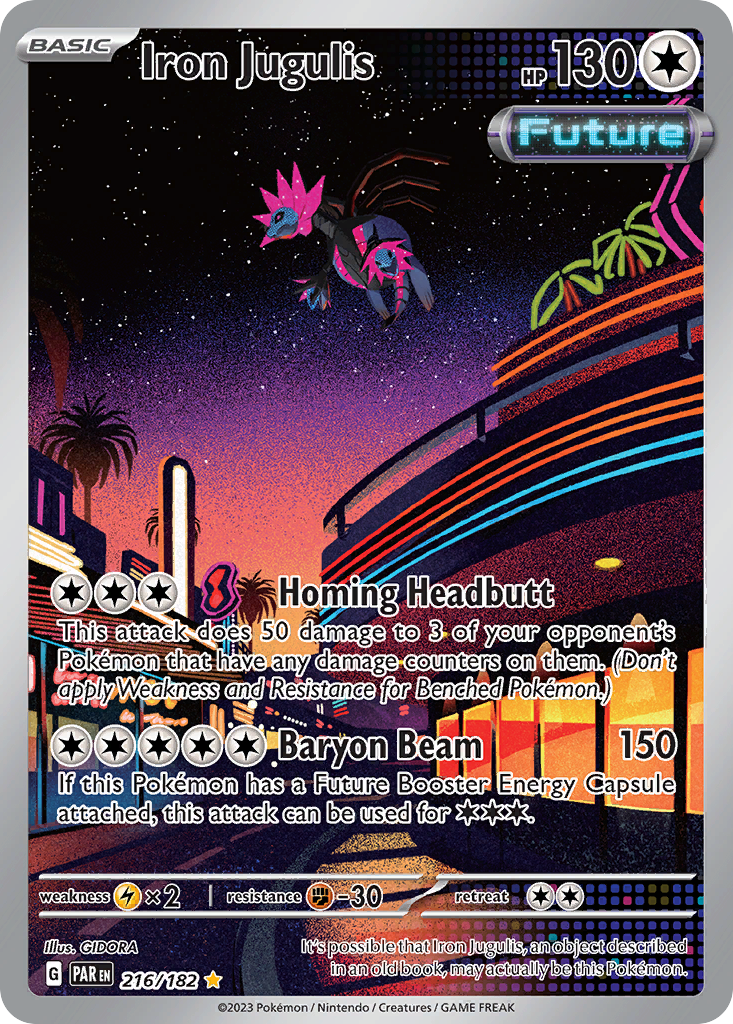
- Modern Special Illustration Rares, such as our Miraidon ex SIR
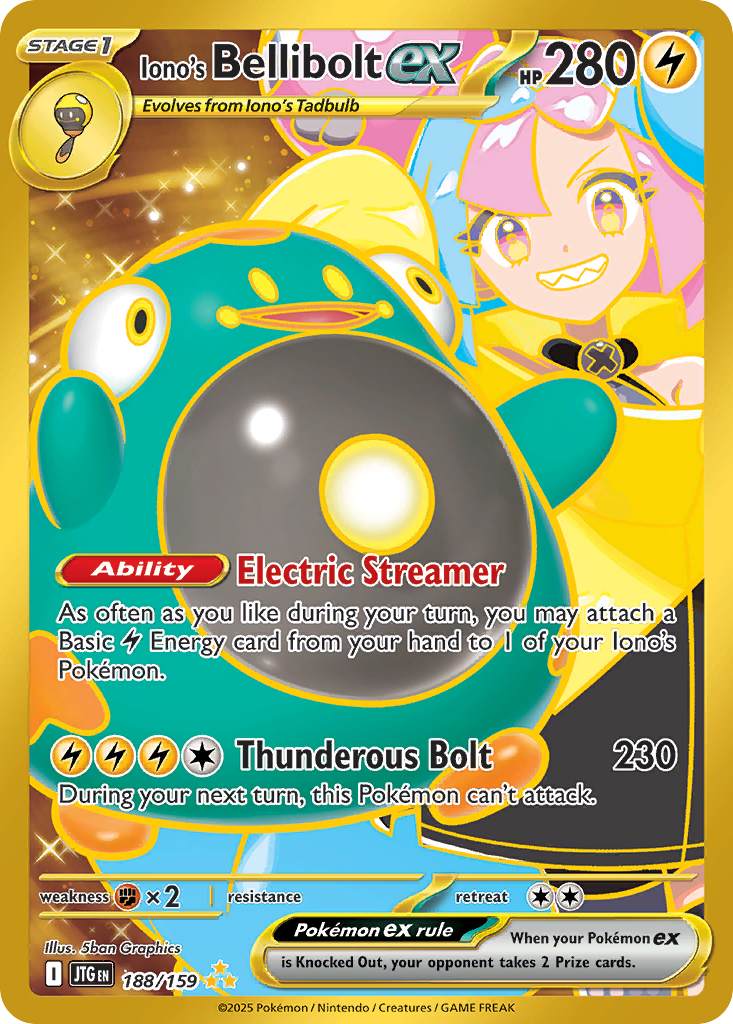
- Gold Hyper Rares and popular full art cards
- Promos that are hard to find in top condition
- Cards with personal value that you want to protect for life
Low-value commons and uncommons are rarely worth grading unless they are vintage or very special. Our guide on what Pokemon cards are worth money can help you decide.
How to Verify PSA Pokemon Cards Australia Sellers List
Fake slabs exist, so always verify graded cards before you buy them.
- Find the certification number on the label.
- Enter it on the PSA cert verification page.
- Check that the card name, set, number and grade match the slab exactly.
- Compare the slab with photos of genuine PSA cases, looking at the label, font and hologram.
If anything does not match, do not buy the card. Our guide on how to tell if Pokemon cards are fake covers more warning signs.
Buying PSA Pokemon Cards Australia Wide
When you buy PSA Pokemon cards Australia sellers list online, compare recent sold prices for the exact card and grade. A PSA 10 can sell for many times the price of a PSA 9, so make sure you know what you are paying for. Buy from trusted sellers, ask for clear photos of the front and back of the slab, and always verify the cert number.
Local versus overseas sellers
Buying locally avoids long shipping times and import charges. Overseas sellers may have a bigger range, but international shipping for graded cards can be expensive and slow. Factor these costs into the total price.
Storing and Displaying Graded Cards
PSA slabs are tough, but they can still scratch or crack. Store them upright in graded card boxes, or use slab sleeves to protect the plastic. Keep them away from direct sunlight to protect the card inside. Display stands and wall frames are a great way to show off your best cards.
PSA Versus Other Grading Companies
PSA is the most widely recognised name, but it is not the only option. Beckett and CGC also grade Pokemon cards, and each company has its own scale, slab design and following. Many collectors choose PSA because PSA Pokemon cards Australia buyers see most often tend to be the easiest to resell. Others prefer a different company for its subgrades or price. Choose the one that suits your goals.

Raw Cards Versus Graded Cards
Not every collector wants graded cards. Raw cards are cheaper, easier to store in binders and more fun to handle. Graded cards cost more but give certainty about condition and authenticity. A good approach is to keep most of your collection raw in premium sleeves and binders, and grade only your most valuable or meaningful cards.
PSA Pokemon Cards Australia FAQ
Can Australians send cards to PSA?
Yes. Most Australians submit through local submission services. Check PSA’s website for the latest rules for international customers.
How long does PSA grading take?
It depends on the service level and demand. Check PSA’s website for current times.
How do I check if a PSA slab is real?
Enter the certification number on PSA’s cert verification page and check that every detail matches.
Do you sell raw cards that could be graded?
Yes. Our Pokemon singles range includes Illustration Rares and Special Illustration Rares, shipped in a sleeve and toploader.
PSA grading can protect your best cards and add confidence when you buy and sell. Prepare your cards carefully, choose the right cards to grade and always verify slabs. With these tips, collecting PSA Pokemon cards Australia wide becomes much easier and more rewarding.


